
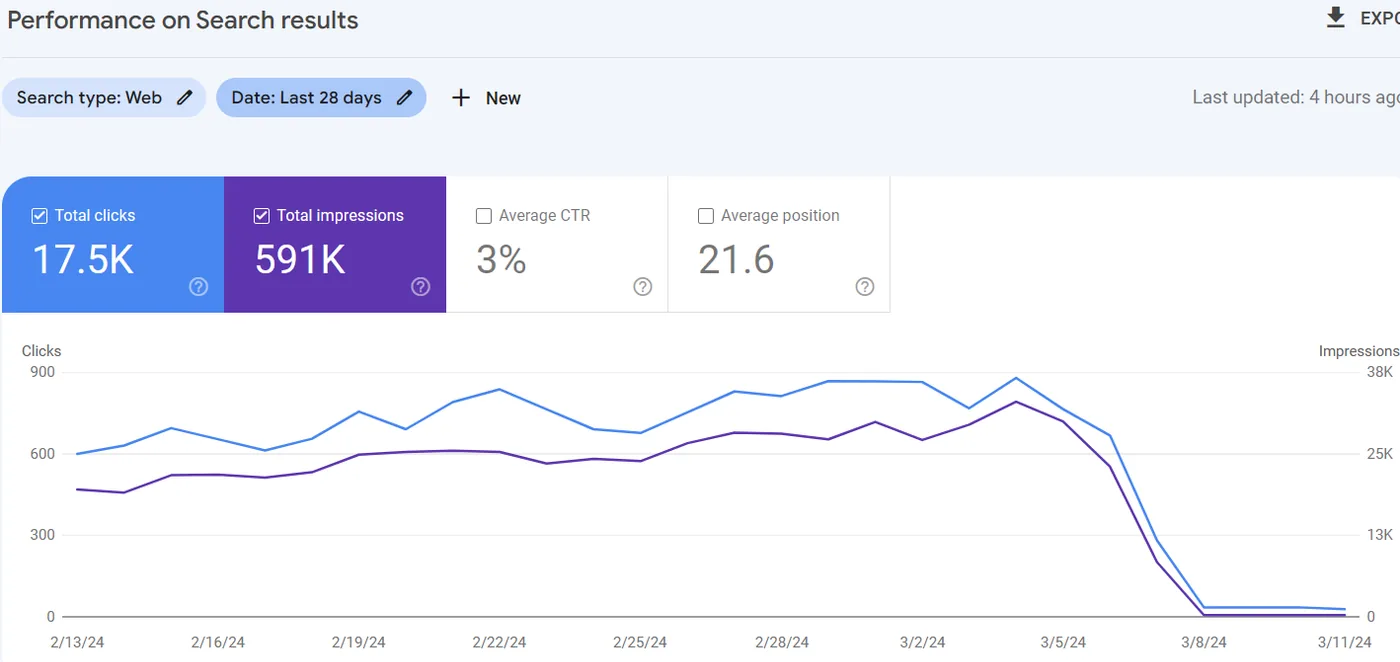
Being the world’s no. 1 search engine, Google releases thousands of small and large updates to keep the search results updated and relevant for its users. But, for marketers and publishers, these updates come with mixed emotions. Although the verified updates certainly show their results, whether positive or negative, there are smaller updates for which Google doesn’t inform the end users.
Additionally, there are manual updates where your website’s rankings are negatively impacted after Google’s professionals evaluate your content. On popular SEO news websites, you can find hints about unverified updates, but we cannot confirm them. Some ups and downs in the rankings are common, but when you see a sudden drop, Google is probably trying to reshuffle the SERPs to maintain or increase the relevancy. This is not a fix for the ranking drops or manual/algorithmic penalties. But, these are some points and the things that I have learnt during my work on different clients’ websites and my own projects.
1. No Penalty ≠ No Problem
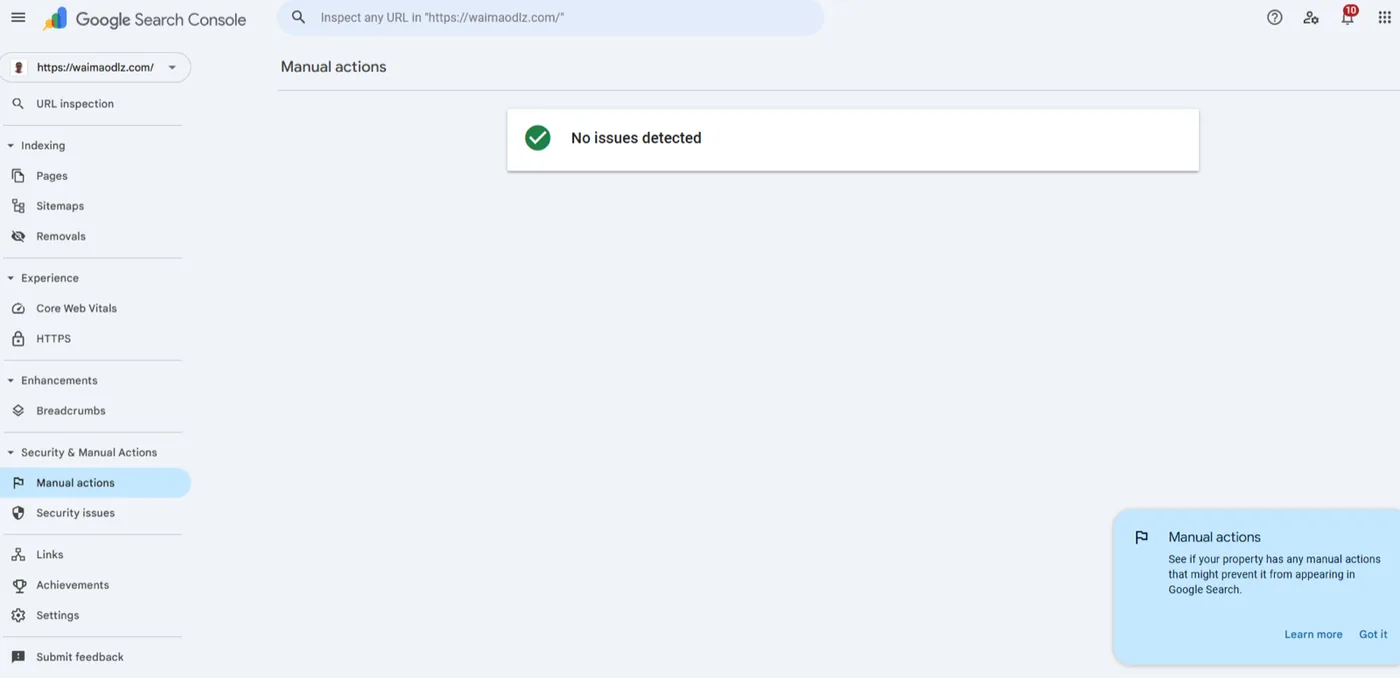
If the search console shows no manual penalty, it’s easy to think everything is fine. But when you lose your rankings without a manual penalty, that generally means someone else answered the query better. Google keeps re-evaluating content quality and re-ranking competitors. So, if your site isn’t outcompeted directly, it means someone else has won the ranking with good signals or content quality.
What I have learnt over time is that the gaps start to fill more with the new content as yours become older. In some other cases, your pages stop matching intent, and hence, the traffic is lost.
What I do in this case is that I find the affected pages and compare the page with the current top 3 results. I try to identify what they cover that I don’t, and then I improve clarity, depth, and information in that piece of the content.
2. Traffic Drops Are Usually Page-Level, Not Site-Wide
Even during the broad core updates, if your rankings drop, they are generally at the page level and not site-wide. In most cases, some pages will drop their rankings, and you can easily track them using Google Analytics or GSC. In my experience, I have seen that Google updates are selective, not random.
If this sort of thing happens, I identify the pages with the highest losses. I try to group them on the basis of intent and topic. There are patterns most of the time. However, I try to keep the stable pages untouched. With some content upgrades and refresh, I start to see improvements in the rankings within weeks.
3. Search Intent Changes Quietly
In order to stay on top, Google has to change how it checks the quality of the content. The best parameter is to understand the intent of the new content. However, whatever the users search, their intents change as well. For example, someone searching for the best gift ideas can actually search for the exact product. So, your content can be good, but just misaligned.
The action plan is to check the current SERP layout for the keywords and see what type of results are there. If your content isn’t the right fit for a search, you will lose rankings, and you might think there is something wrong with your content, but it is just that the search intent isn’t matching properly.
4. Authority Gaps Become Visible After Updates
Updates can work in both good and bad ways. If it goes well for your website, that’s surely great for you. But if your website gets hit, there are always learnings. The modern Google updates tend to amplity authority signals. Google is now checking for brand mentions, topical depth, and link quality (not quantity).
Marketers think that updates create authority gap but they actually expose them. They tell you to strengthen your internal linking and build topic clusters. They tell you to earn link naturally and improve your author credibility signals. So, all in all, Google now want you to build a brand around your niche not just push content randomly.
5. Fixing Everything is not always the solution
After the traffic drops, people panic and try to fix everything. They try to rewrite everything, change URLs, or remove pages. This panic optimization ruin any credibility that you have earned over time. I have learned that stability matters the most after updates.
I would recommend waiting for 2 to 4 weeks before making any serious changes. Start with one category and see the impact. Track the impact before making changes to other pages or categories. Most of the times, it is related to the content. However, it can be related to the off-page SEO as well and it varies depending on the site. But, finding where your website lacks is the most important part. If you can find it, fixing becomes easier.
Conclusion
Google updates are inevitable. Sometimes, they are hidden and in other cases, you will get notified. But, whatever the case is, you will get some impact on your website and you can always improve yourself. Do not panic and see where you are lacking. You will be able to recover from anything.